Know who does what and who decides. In a highly impactful hour online, your team gets clear on what each team role is here to achieve, who leads shared work and how decisions get made. The workshop comes with added value beyond the hour, with prework to tailor the session to your team's needs, and activities and resources to make the learnings last.

Trusted by teams at


People do their best work when they know what their role is and who makes each call. Take On Me gives the team one hour to agree who does what and how it makes decisions. Leaders book it when they want to see these team behaviours:
In the hour, you share a time clear roles helped the team, and each person writes their role in one line. Then the team agrees who leads the work that roles share, sorts its regular decisions by who makes them and asks you anonymous questions. It finishes by agreeing the actions that will keep roles and decisions clear.

Each part of the workshop draws on verified research and best practice.
Each person writes their role in one line and sees it beside everyone else's, so the team can see how its roles fit together.
Across many studies, people who were clearer about their role performed better at work.
Travis Tubre and Judith Collins, Journal of Management, 2000
The team agrees who leads and who helps on the work that roles share, so everyone knows what's expected of them.
Google's study of more than 180 teams found clear roles, plans and goals were one of the five things that set effective teams apart.
Google, Project Aristotle, 2015
The team agrees which decisions it makes together and which you make after hearing everyone's views.
When leaders considered members' views, commitment to the decision, attachment to the team and trust in the leader all rose.
M. Audrey Korsgaard, David Schweiger and Harry Sapienza, Academy of Management Journal, 1995
“James understood the needs of our teams and used his toolkit to deliver a short workshop on how to unite under a common purpose, share best practice and ideas, and support each other's strengths and weaknesses. The session delivered the outputs we required and more. I would recommend his services to others.”
A team habit is something your team does so well it has become second nature. Take On Me makes being clear about roles and decisions one of those habits, so work and decisions keep moving.
The hour draws on 20 years of experience and more than 500 workshops for over 250 teams. It starts from your team's own survey answers, brings in the research on roles and decisions and uses live polls and anonymous questions so that everyone has a say.
Everything around the hour helps the habit stick. Before the workshop, a kickoff call sets the goal, a short survey shows where your team stands and a briefing gets you ready to lead your part. Afterwards, a recap, a one-page team habit card, meeting scripts and prompts keep the habit going, and a repeat survey and a debrief call at day 30 show how far your team has come.

Every step before and after the workshop makes the hour more effective, from a kickoff call that shapes it around your team to a check-in 30 days afterwards to measure what has changed.
Three weeks before
You get in touch to book, then agree the goal for the hour and pick real examples from your team's work, so every part of the workshop fits your team.
Two weeks before
Your team answers an anonymous survey on roles and decisions, so the hour starts from its own honest answers.
Five days before
You see your team's results first and prepare your part of the hour, so you can lead it with confidence.
Workshop day
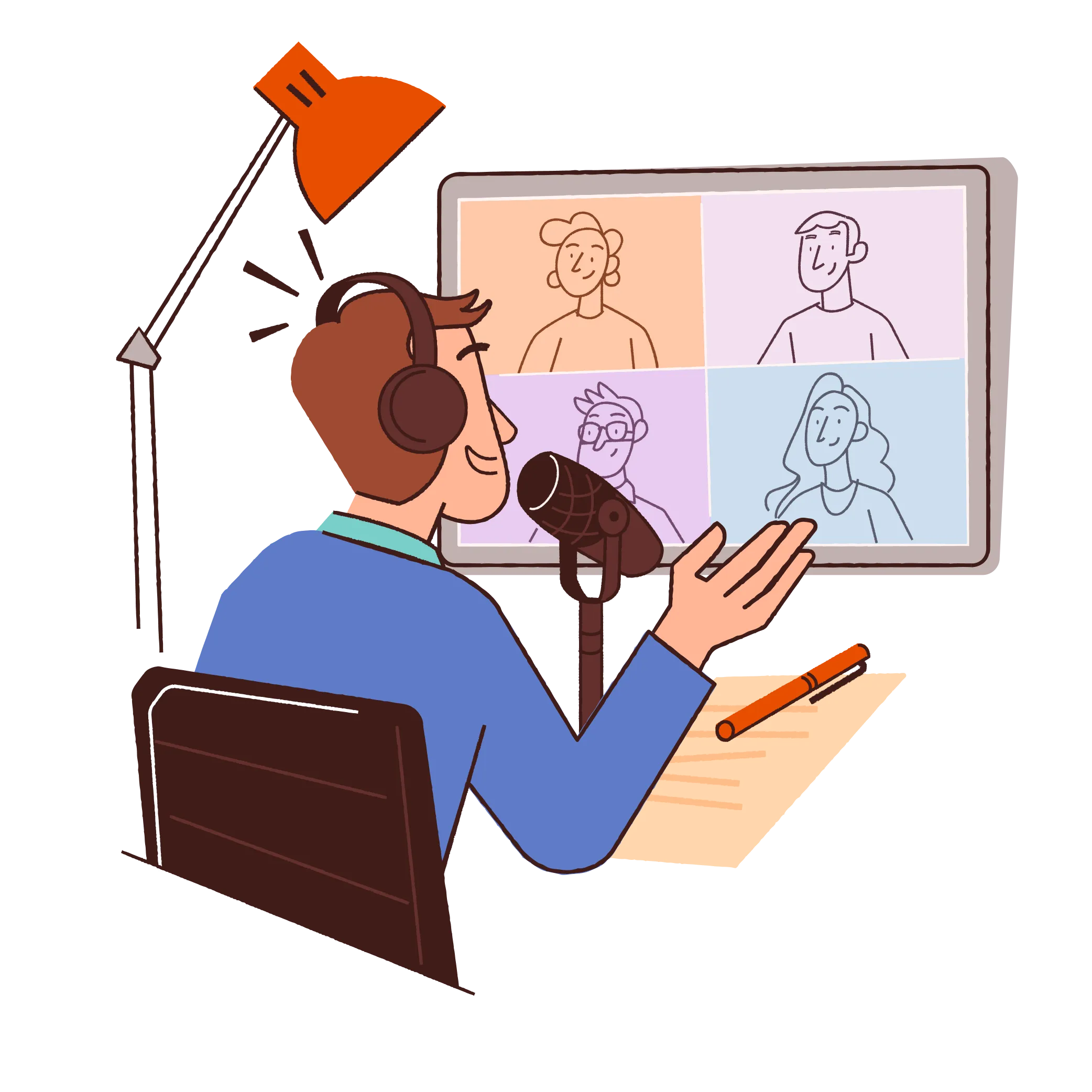
In one hour online, your team maps who does what, learns what the research says and agrees how it will make decisions.
The four weeks after
Your team puts what it agreed into practice, with a recap, a one-page habit card setting out who does what and when, scripts to include in your team meetings and prompts to keep you on track.
Day 30
A repeat of the survey and a debrief call show how far your team has come, and where it could go next.
The workshop runs for one hour online, for up to 20 people. Before it starts, everyone answers an anonymous survey on how clear roles and decisions feel, and you see the results first. Open each part below to see the question the team works on and what happens.
When have clear roles helped us?
You share a time when knowing who did what helped the team deliver, and what made it work. Everyone adds their own example to the chat.
By the end of this part, the team has heard you go first and knows what the hour is for.
What is each of us here to do?
Each person writes in one line what their role is here to do, and the answers appear side by side. The team hears Travis Tubre and Judith Collins's finding that people who are clearer about their role perform better. It then sees its survey results beside its predictions.
This part fills the first box on your Team Role Map: what each role is here to do.
Who leads the work we share?
The team hears what Google's Project Aristotle found about structure and clarity. It lists the work that several roles touch, such as planning or client updates, and agrees who leads and who helps on each. The part ends with a short break.
This part fills the second box on your Team Role Map: our shared ground.
Whose call is it, and how do we decide?
The team hears Audrey Korsgaard's research on why people back decisions when their views have been heard. It sorts its regular decisions into three groups: made in role, made by you after hearing views, or made by the team together. The team asks anonymous questions and you answer them live.
This part fills two boxes on your Team Role Map: who decides what and how we decide.
What will we do to keep roles and decisions clear?
The team ranks a shortlist of actions, such as asking “whose call is this?” when new work starts, agrees one and writes down exactly how it will work. The workshop ends with closing scores you can compare after 30 days.
This part fills the last box on your Team Role Map: our habit.
Each team habits workshop is built around one signature tool. In Take On Me, the tool is the Team Role Map: a one-page map of what each role is here to do, who leads the work that roles share, who decides what, how the team decides and the habit it agrees.
When you ask for the full agenda below, you also get the Team Role Map as a PDF.
See the Team Role Map in the toolkit →Get the full agenda and the Team Role Map
Each option covers a team of up to 20 people.
£1,250 + VAT
c. £63 per person
For a team that wants to try one workshop.
Recommended
£1,950 + VAT
c. £98 per person
Best value
£4,950 + VAT
c. £83 per person per workshop
Build three habits over a quarter.
You can also book a call to talk it through.
These are the questions team leaders ask most. For anything else, book a call.
The price covers one team of up to 20 people.
The workshop runs on Zoom or Microsoft Teams, and the team answers polls on Slido in a browser.
You need a short story about a time clear roles helped the team and a view on which decisions you want to keep, which you shape on the briefing call.
Yes. Results appear as team averages, and only when five or more people respond.
Book a date for Take On Me, or talk it through on a call first.