Team habits|
Team strengths workshop

Better Together

Know and use everyone's strengths. In a highly impactful hour online, your team appreciates each other's strengths and explores how to use them more. The workshop comes with added value beyond the hour, with prework to tailor the session to your team, plus activities and resources to make the learnings last.

  • Everyone sees their colleagues' strengths, and their own too.
  • Appreciate the diverse and complementary nature of your team.
  • Build a map of the team's strengths and agreed actions to use them.

See prices and what's included →

Colleagues helping each other up a set of steps, while one with a tablet gives a thumbs up.

Trusted by teams at

Why book Better Together?

Every team has strengths it uses every day and others it rarely sees. Better Together gives the team one hour to name each other's strengths and agree how to use them more. Leaders book it in these four situations:

  • A new or changed team. People don't yet know what skills and experience each team member brings.
  • Typecasting. The same people get the same jobs every time.
  • A few people carry the load. The team's hardest or most high profile work falls to the same few people.
  • Room to grow. You want people to stretch into new kinds of work.

In the workshop, people name each other's strengths with real examples, and you go first. Then the team works on a real challenge by drawing on the strengths of team members, and agrees the actions that will put strengths to work every day.

See the agenda →

Three colleagues talking in front of a wall of climbing kit.

What brings out a team's strengths

Each part of the workshop draws on verified research and best practice.

Strengths named out loud

Colleagues name each other's strengths with real examples, which counteracts a team's natural focus on weaknesses.

Negative events and information weigh more than positive ones, leading to teams talking about weaknesses more than strengths.

Roy Baumeister and colleagues, Review of General Psychology, 2001

Work that gives energy

Each person names the work that energises them, so the team can share out tasks with strengths in mind.

A strength is an activity that leaves you energised and keen to do more of it.

Marcus Buckingham, Go Put Your Strengths to Work, 2007

Strengths put to new use

The team uses someone’s strength on a real challenge, and each person picks a new way to use their own.

People who used one of their top strengths in a new way every day for a week were happier for months afterwards.

Martin Seligman, Tracy Steen, Nansook Park and Christopher Peterson, American Psychologist, 2005

“With three new members we wanted to make sure we were all aligned behind a clear purpose and to bring each member's individual strengths to the forefront to help us perform at our best. We learnt a lot about each other and what makes us tick, and how we can support each other more as a result.”
Antonia Seymour CEO, IOP Publishing

How a team makes the most of its strengths

A team habit is something your team does so well it has become second nature. Better Together makes using each other's strengths one of those habits, so work goes to those best placed to do it.

The hour draws on 20 years of experience and more than 500 workshops for over 250 teams. It starts from your team's own survey answers, brings in the research on strengths and uses live polls and anonymous questions so that everyone has a say.

Everything around the hour helps the habit stick. Before the workshop, a kickoff call sets the goal, a short survey shows where your team stands and a briefing gets you ready to lead your part. Afterwards, a recap, a one-page team habit card, meeting scripts and prompts keep the habit going, and a repeat survey and a debrief call at day 30 show how far your team has come.

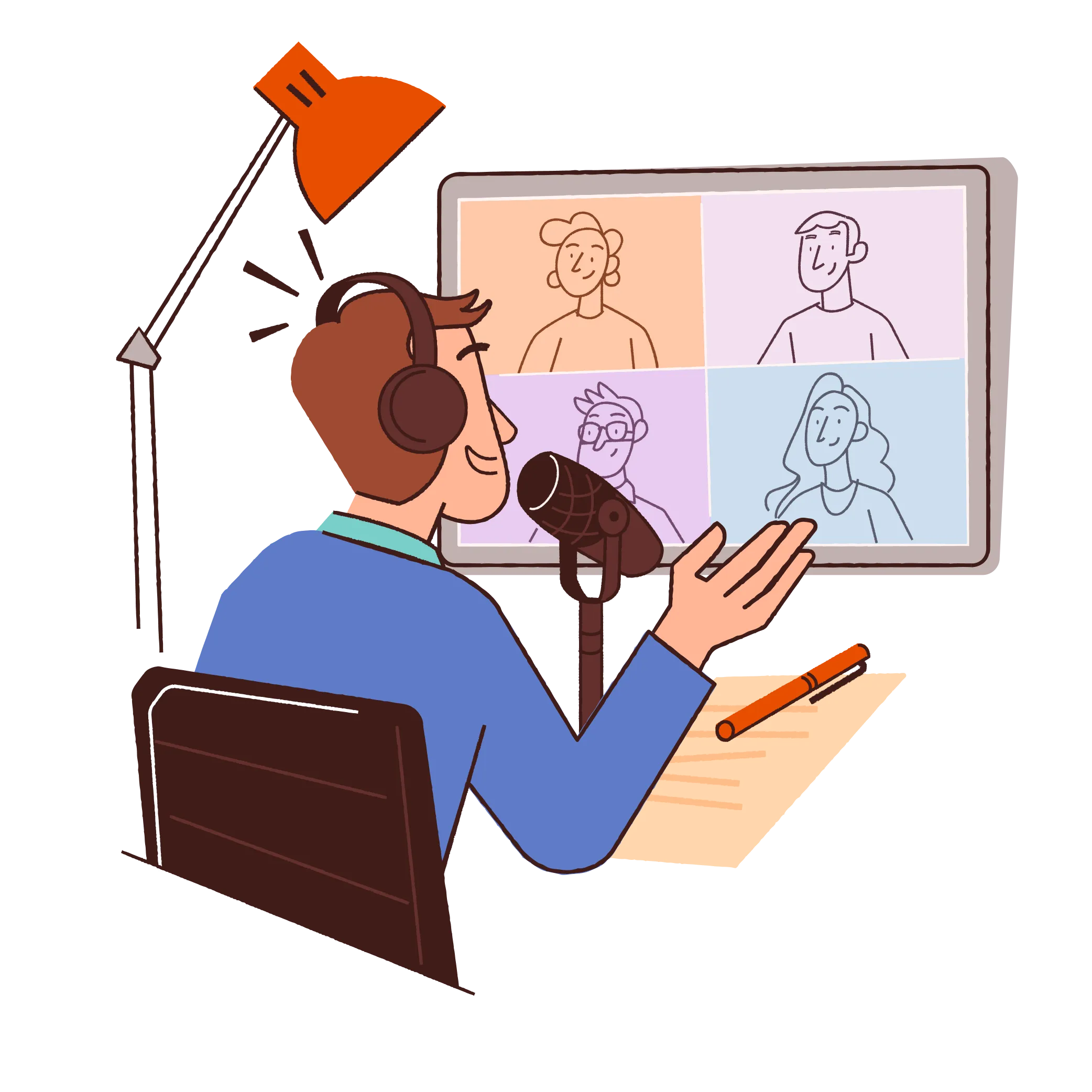
A man with headphones running an online session with four colleagues on screen.

From booking to embedded habit

Every step before and after the workshop makes the hour more effective, from a kickoff call that shapes it around your team to a check-in 30 days afterwards to measure what has changed.

Three weeks before

Book and kick off

You get in touch to book, then agree the goal for the hour and pick real examples from your team's work, so every part of the workshop fits your team.

Two weeks before

The pulse survey

Your team answers an anonymous survey on team strengths, so the hour starts from its own honest answers.

Five days before

Your briefing

You see your team's results first and prepare your part of the hour, so you can lead it with confidence.

Workshop day

The workshop

In one hour online, your team sees each other's strengths, learns what the research says and agrees how to use them more.

The four weeks after

The habit at work

Your team puts what it agreed into practice, with a recap, a one-page habit card setting out who does what and when, scripts to include in your team meetings and prompts to keep you on track.

Day 30

See what changed

A repeat of the survey and a debrief call show how far your team has come, and where it could go next.

The workshop

The workshop runs for one hour online, for up to 20 people. Before it starts, everyone answers a short anonymous survey on how well the team knows its strengths. You see the results first. Open each part below to see the question the team works on and what happens.

01OpeningA light question on team strengths in the chat gets everyone talking.

What do we do best as a team?

Everyone answers a light question in the chat, which gets the whole team talking from the first minute.

By the end of this part, everyone has spoken and knows what the hour is for.

02Strengths or weaknessesA poll on fixing weaknesses or building strengths, then we review the survey results.

Should we fix weaknesses or build strengths?

A poll asks whether it pays more to fix weaknesses or build strengths, and the team hears Gallup's research on the answer. It then sees its survey results beside its predictions.

By the end of this part, the team sees how much it could gain from its strengths.

03Why strengths hideEach person shares their top strength and one they're growing.

What gives me energy at work?

The team learns why strengths can be hard to see in yourself, and why modesty stops people naming them. It also learns Marcus Buckingham's test: a strength leaves you energised. Each person discusses a strength they're growing.

This starts your Team Strengths Map with each person's view of their strengths.

04Peer nominationsPeople name each other's strengths, and the team tackles a real challenge.

What strength have I seen a colleague use?

People nominate each other's strengths with specific examples, and you go first. The team then works on a real challenge by drawing on someone's growing strength. The part closes with a look at overused strengths.

This adds to the Team Strengths Map: strengths colleagues see in each person.

05Your habitThe team agrees how it will use strengths every day.

What will we do to use our strengths every day?

The team ranks a shortlist of actions, such as asking who's best placed before handing out a task, agrees one and writes down exactly how it will work. The workshop ends with closing scores you can compare after 30 days.

This part adds the team's habit to your Team Strengths Map.

The Team Strengths Map

Each team habits workshop is built around one signature tool. In Better Together, the tool is the Team Strengths Map: a one-page map of each person's strengths, as they see them and as colleagues see them, with the habit the team agrees.

When you ask for the full agenda below, you also get the Team Strengths Map as a PDF.

See the Team Strengths Map in the toolkit →

Get the full agenda and the Team Strengths Map

We'll email you the agenda and the tool. You can unsubscribe from any email in one click. Read our privacy policy.

Your agenda and the Team Strengths Map are on their way.

While you wait, join Creative Huddle Backstage, our community for team leaders.

Join Backstage
Oops! Something went wrong while submitting the form.

Three ways to book

Each option covers a team of up to 20 people.

Better Together

£1,250 + VAT

c. £63 per person

For a team that wants to try one workshop.

  • A kickoff call and a team survey shape the hour around your team. A briefing note gets you ready to lead your part.
  • Your team spends one highly impactful hour online on team strengths.
  • A one-page habit card, meeting scripts and prompts embed the habit over four weeks.
  • A repeat survey, a debrief call and an impact summary show what has changed by day 30.

Best value

A series of three

£4,950 + VAT

c. £83 per person per workshop

Build three habits over a quarter.

  • Choose Better Together and two more team habit workshops.
  • Each comes with the Plus email course, recording and exercise guides.
  • The Team Assessment runs at the start and end of the quarter, so you see progress across all three habits.
  • You save £900 compared with three Plus workshops booked one at a time.

You can also book a call to talk it through.

Questions

These are the questions team leaders ask most. For anything else, book a call.

Before you book

How many people can join?

The price covers one team of up to 20 people.

Which platform do you use?

The workshop runs on Zoom or Microsoft Teams, and the team answers polls on Slido in a browser.

Once you've booked

What do people do before the workshop?

Each person writes a short note on a time they were at their best.

Is the survey anonymous?

Yes. Results appear as team averages, and only when five or more people respond.

Know and use everyone's strengths.

Book a date for Better Together, or talk it through on a call first.

Builds well with

By clicking “Accept All Cookies”, you agree to the storing of cookies on your device to enhance site navigation, analyze site usage, and assist in our marketing efforts. View our Privacy Policy for more information.