Team habits|
Team coordination workshop

Chain Reaction

Keep work flowing between team members. In a highly impactful hour online, your team maps how work moves between people, agrees what a great handover includes and when to give each other a heads-up. The workshop comes with added value beyond the hour, with prework to tailor the session to your team's needs, and activities and resources to make the learnings last.

  • Your team optimises how work flows, with a shared map of key handovers.
  • Explore what a great handover includes and how to collaborate seamlessly.
  • The team leaves with agreed actions to keep work flowing.

See prices and what's included →

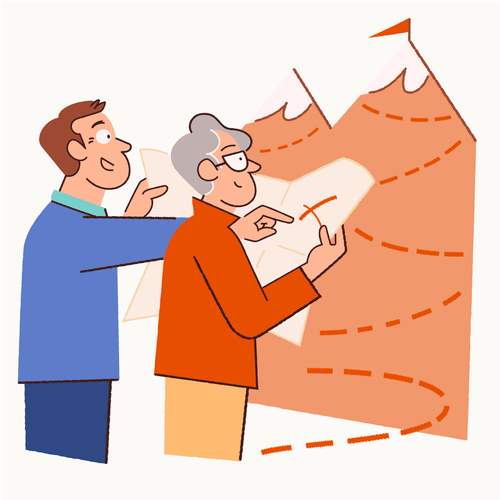
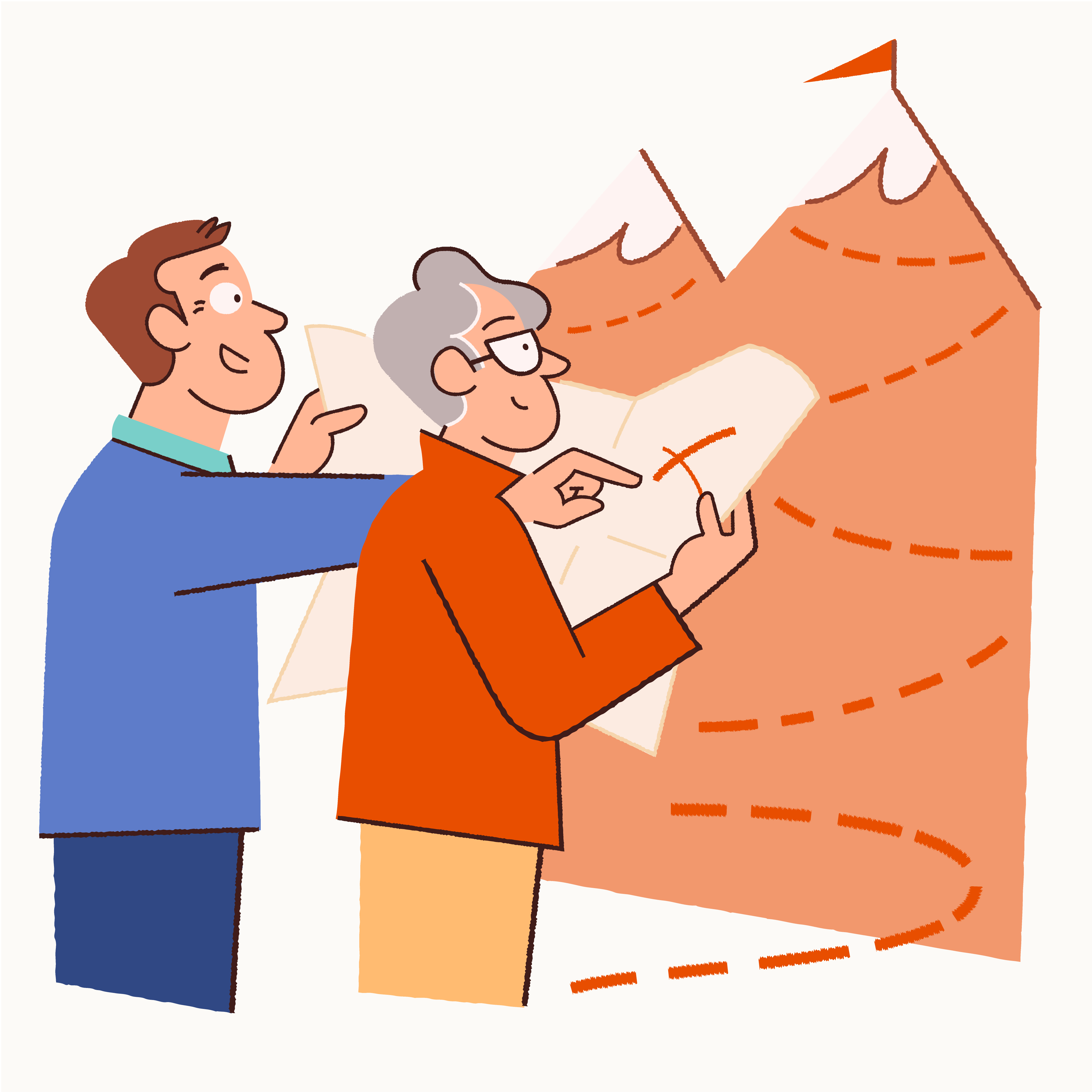
Two colleagues planning a route up a mountain on a map.

Trusted by teams at

Why book Chain Reaction?

Work moves fastest when people know what's coming their way and who to ask. Chain Reaction gives the team one hour to map how its work flows and agree how to pass it on well. Leaders book it when they want to see these team behaviours:

  • Smooth handovers. Work arrives with everything the next person needs.
  • A heads-up in good time. People hear about work heading their way before it lands.
  • Strong working links. The people who pass work to each other have a rhythm that works.
  • Work that keeps moving. Questions and decisions get answered in time to keep work flowing.

During the session, you share a time when work moved smoothly between people, and the team maps how its work moves and what makes its strongest links work. Then it picks three links to strengthen, agrees what a good handover includes on each and decides when everyone should get an early heads-up. We finish by agreeing the actions that will keep work flowing.

See the agenda →

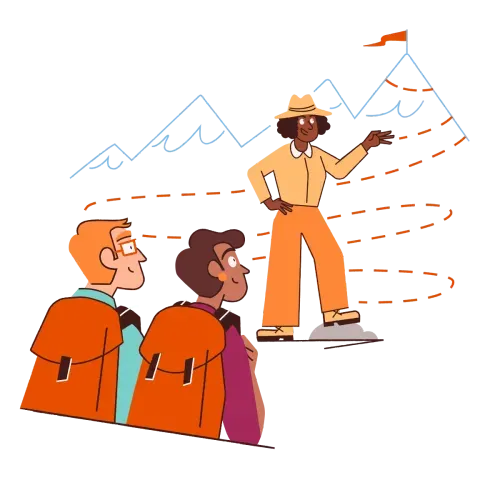
A hiker with binoculars, linked to scenes of colleagues planning and sharing ideas.

What helps work flow between people

Each part of the workshop draws on verified research and best practice.

Shared goals and knowledge

The team maps who passes work to whom and learns from its strongest links, so everyone sees how their part fits the whole.

A review of 233 studies in 73 industries and 36 countries linked shared goals, shared knowledge and mutual respect with better quality, more learning and greater job satisfaction.

Rendelle Bolton and colleagues, Journal of Applied Behavioral Science, 2021

Handovers with a structure

The team agrees what a good handover includes on the links it wants to strengthen, so the next person has what they need.

When 32 hospitals adopted a structured handover, the share of spoken handovers that covered all five essentials rose from 20% to 66%.

Amy Starmer and colleagues, Journal of Hospital Medicine, 2023

Sharing what's new

The team agrees when to give each other an early heads-up, so everyone can plan ahead.

A review of 72 studies covering 4,795 groups found that teams that shared information performed better, and sharing what others didn't already know mattered most.

Jessica Mesmer-Magnus and Leslie DeChurch, Journal of Applied Psychology, 2009

“The teamwork workshop set us up perfectly for our strategy offsite and brought our team much closer.”
Alice Pillar VP Operations and Legal, Moonfire Ventures

How a team builds smooth handovers

A team habit is something your team does so well it has become second nature. Chain Reaction makes smooth handovers one of those habits, so work keeps moving from one person to the next.

The hour draws on 20 years of experience and more than 500 workshops for over 250 teams. It starts from your team's own survey answers, brings in the research on coordination and uses live polls and anonymous questions so that everyone has a say.

Everything around the hour helps the habit stick. Before the workshop, a kickoff call sets the goal, a short survey shows where your team stands and a briefing gets you ready to lead your part. Afterwards, a recap, a one-page team habit card, meeting scripts and prompts keep the habit going, and a repeat survey and a debrief call at day 30 show how far your team has come.

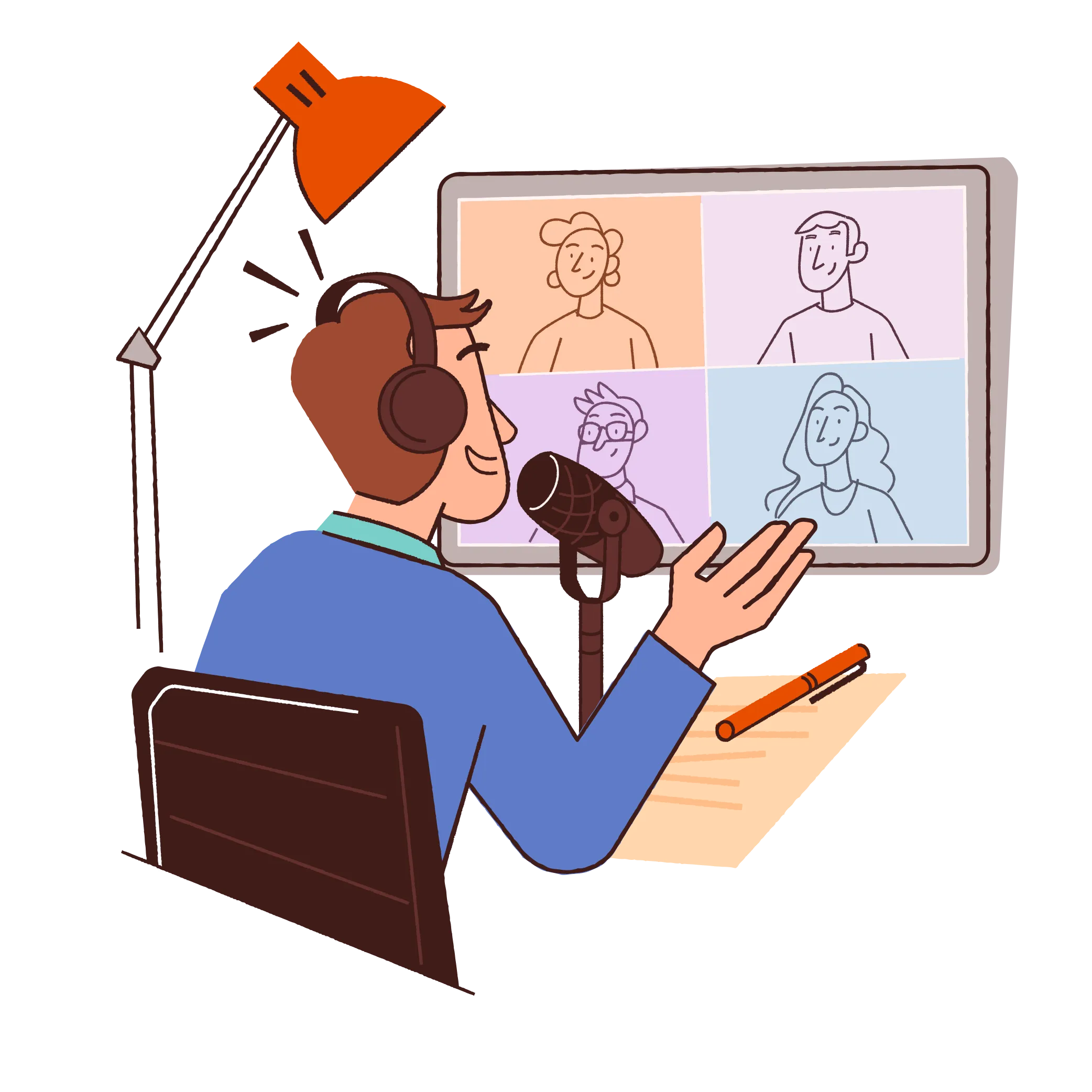
A man with headphones running an online session with four colleagues on screen.

From booking to embedded habit

Every step before and after the workshop makes the hour more effective, from a kickoff call that shapes it around your team to a check-in 30 days afterwards to measure what has changed.

Three weeks before

Book and kick off

You get in touch to book, then agree the goal for the hour and pick real examples from your team's work, so every part of the workshop fits your team.

Two weeks before

The pulse survey

Your team answers an anonymous survey on how work moves between people, so the hour starts from its own honest answers.

Five days before

Your briefing

You see your team's results first and prepare your part of the hour, so you can lead it with confidence.

Workshop day

The workshop

In one hour online, your team maps how its work flows, learns what the research says and agrees how it will hand work on.

The four weeks after

The habit at work

Your team puts what it agreed into practice, with a recap, a one-page habit card setting out who does what and when, scripts to include in your team meetings and prompts to keep you on track.

Day 30

See what changed

A repeat of the survey and a debrief call show how far your team has come, and where it could go next.

The workshop

The workshop runs for one hour online, for up to 20 people. Before it starts, everyone answers an anonymous survey on how work moves between people, and each person notes who they pass work to and receive it from most often. You see the results first. Open each part below to see the question the team works on and what happens.

01OpeningYou share a time when work moved smoothly.

When has work moved smoothly between us?

You share a time when work moved smoothly between people and what made it work. Everyone adds their own example to the chat.

By the end of this part, the team has heard you go first and has some good examples of handover habits relevant to your team.

02Our mapThe team maps how its work flows, then sees its survey results.

How does our work move from person to person?

A quick poll asks how most of the team's work moves: side by side, one after another or back and forth. The team then maps who passes work, questions and decisions to whom, and marks its strongest links. It hears research on how teams coordinate well, then sees its survey results beside its predictions.

This part fills the first box on your Handover Map: our map.

03Strong linksThe team learns from its strongest links and strengthens three more.

What makes our strongest links work?

The team hears the seven ingredients of good coordination and talks about what makes its strongest links work. It then picks three links to strengthen and agrees what a good handover includes on each, such as the deadline, the background and any open questions.

This part fills the second box on your Handover Map: three links to strengthen.

04Heads-upsThe team agrees when to give each other a heads-up, and you answer its questions.

What should we hear about early?

The team hears research on why sharing new information helps teams perform. It lists what everyone should hear about early, such as a deadline moving or new work coming in, and agrees who needs to know and how fast. The team asks anonymous questions and you answer them live.

This part fills the third box on your Handover Map: our heads-ups.

05Your habitThe team agrees how it will keep work flowing.

What will we do to keep work flowing?

The team ranks a shortlist of actions, such as a weekly “what's coming your way” round, agrees one and writes down exactly how it will work. The workshop ends with closing scores you can compare after 30 days.

This part fills the last box on your Handover Map: our habit.

The Handover Map

Each team habits workshop is built around one signature tool. In Chain Reaction, the tool is the Handover Map: a one-page map of who passes work to whom, three links to strengthen, the team's heads-ups and the habit the team agrees.

When you ask for the full agenda below, you also get the Handover Map as a PDF.

See the Handover Map in the toolkit →

Get the full agenda and the Handover Map

We'll email you the agenda and the tool. You can unsubscribe from any email in one click. Read our privacy policy.

Your agenda and the Handover Map are on their way.

While you wait, join Creative Huddle Backstage, our community for team leaders.

Join Backstage
Oops! Something went wrong while submitting the form.

Three ways to book

Each option covers a team of up to 20 people.

Chain Reaction

£1,250 + VAT

c. £63 per person

For a team that wants to try one workshop.

  • A kickoff call and a team survey shape the hour around your team. A briefing note gets you ready to lead your part.
  • Your team spends one highly impactful hour online on coordination.
  • A one-page habit card, meeting scripts and prompts embed the habit over four weeks.
  • A repeat survey, a debrief call and an impact summary show what has changed by day 30.

Best value

A series of three

£4,950 + VAT

c. £83 per person per workshop

Build three habits over a quarter.

  • Choose Chain Reaction and two more team habit workshops.
  • Each comes with the Plus email course, recording and exercise guides.
  • The Team Assessment runs at the start and end of the quarter, so you see progress across all three habits.
  • You save £900 compared with three Plus workshops booked one at a time.

You can also book a call to talk it through.

Questions

These are the questions team leaders ask most. For anything else, book a call.

Before you book

How many people can join?

The price covers one team of up to 20 people.

Which platform do you use?

The workshop runs on Zoom or Microsoft Teams, and the team answers polls on Slido in a browser.

Once you've booked

What do people do before the workshop?

Each person notes who they pass work to and receive it from most often, ready to map in the hour.

Is the survey anonymous?

Yes. Results appear as team averages, and only when five or more people respond.

Keep work flowing between us.

Book a date for Chain Reaction, or talk it through on a call first.

Builds well with

By clicking “Accept All Cookies”, you agree to the storing of cookies on your device to enhance site navigation, analyze site usage, and assist in our marketing efforts. View our Privacy Policy for more information.