Find fresh ideas for real challenges. In a highly impactful hour online, your team works on a live challenge, learning key creative thinking methods along the way. The workshop comes with added value beyond the hour, with prework to tailor the session to your team, and activities and resources to make the learnings last.

Trusted by teams at


Fresh ideas come more easily when a team has a real challenge and a good way to work on it. A Kind of Magic gives the team one hour to generate ideas for a live challenge and agree how to keep them coming. Leaders book it in these four situations:
In the hour, the team reframes its challenge, writes ideas alone and then builds on each other's. Then it picks an easy win and a bold bet, and agrees the actions that will keep the ideas coming.
Each part of the workshop draws on verified research and best practice.
Everyone writes ideas alone first, which gives every person's ideas an equal start.
Groups that worked alone first and then together produced more and better ideas, and picked their best ones more accurately.
Karan Girotra, Christian Terwiesch and Karl Ulrich, Management Science, 2010
The team keeps going after the first ideas slow down, which is where the more creative ones appear.
People underestimate how many good ideas are still to come, and later ideas are often more creative.
Brian Lucas and Loran Nordgren, PNAS, 2020
The hour starts with an object on each person's desk to spark their imagination.
Pairs on video generated fewer creative ideas than pairs in person.
Melanie Brucks and Jonathan Levav, Nature, 2022
“After the session, my colleague and I couldn't stop talking about the new ideas we had generated, all of which happened in such a short period of time. I would recommend James to any company who have reached a creative stalemate.”
A team habit is something your team does so well it has become second nature. A Kind of Magic makes innovation and problem solving one of those habits, so fresh ideas become part of how the team works.
The hour draws on 20 years of experience and more than 500 workshops for over 250 teams. It starts from your team's own survey answers, brings in the research on creative thinking and uses live polls and anonymous questions so that everyone has a say.
Everything around the hour helps the habit stick. Before the workshop, a kickoff call sets the goal, a short survey shows where your team stands and a briefing gets you ready to lead your part. Afterwards, a recap, a one-page team habit card, meeting scripts and prompts keep the habit going, and a repeat survey and a debrief call at day 30 show how far your team has come.

Every step before and after the workshop makes the hour more effective, from a kickoff call that shapes it around your team to a check-in 30 days afterwards to measure what has changed.
Three weeks before
You get in touch to book, then agree the goal for the hour and pick real examples from your team's work, so every part of the workshop fits your team.
Two weeks before
Your team answers an anonymous survey on innovation and problem solving, so the hour starts from its own honest answers.
Five days before
You see your team's results first and prepare your part of the hour, so you can lead it with confidence.
Workshop day
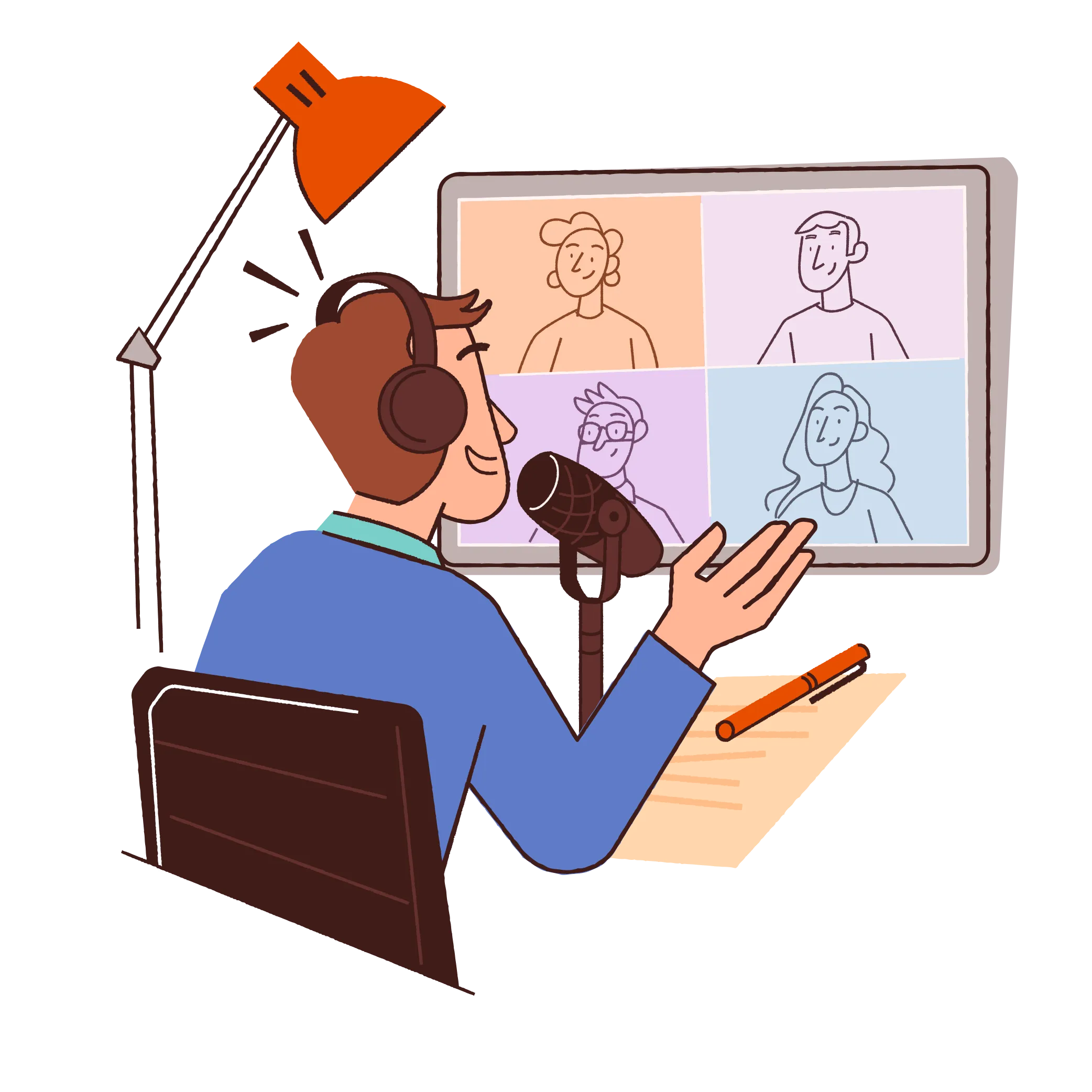
In one hour online, your team works on a real challenge, learns what the research says and agrees how it will keep the ideas coming.
The four weeks after
Your team puts what it agreed into practice, with a recap, a one-page habit card setting out who does what and when, scripts to include in your team meetings and prompts to keep you on track.
Day 30
A repeat of the survey and a debrief call show how far your team has come, and where it could go next.
The workshop runs for one hour online, for up to 20 people, and works on one live challenge your team owns and can act on. You choose the challenge with us at the kickoff call, along with what’s fixed and what’s open. Before the workshop, everyone answers an anonymous survey on creativity in the team, and each person gets the challenge in a short note two days before. You see the survey results first. Open each part below to see the question the team works on and what happens.
What else could this object be used for?
You introduce the challenge and tell the story of an idea of yours that started odd but worked. Everyone selects an object near them and posts an unusual use for it in the chat.
By the end of this part, everyone knows the challenge, learns a creative thinking approach and has already had an idea.
Do our best ideas come first or later?
A poll asks the question of the team. The team then hears Brian Lucas and Loran Nordgren's finding that later ideas are often more creative, and sees its survey results, including how safe it feels to suggest an unusual idea.
By the end of this part, the team is ready to keep going past its first ideas.
How might we look at this challenge differently?
The team rewrites the challenge as How Might We questions in the chat and votes for one. Everyone writes ideas alone, which appear on a shared board, then a second round follows once the first wave slows. This part ends with a short break away from the screen, essential for creative thinking.
This part fills the first two sections of your Idea Board: the challenge and the ideas.
Which ideas will we act on?
Pairs combine an idea from the board with an outside example from the prep, then take a customer's view to sharpen it. The team challenges and builds on the shortlist. Everyone votes privately for an easy win and a bold bet, you vote last, and each pick gets an owner and a next step.
This part fills the next section of your Idea Board: the easy win and the bold bet, each with an owner.
What will we do to keep the ideas coming?
You confirm which ideas the team will act on and by when. The team ranks a shortlist of actions, such as silent writing before any idea discussion, agrees one and writes down exactly how it will work. Everyone scores how creative the team feels now.
This part fills the last section of your Idea Board: our habit.
Each team habits workshop is built around one signature tool. In A Kind of Magic, the tool is the Idea Board: a one-page record of the challenge, the team's ideas, the easy win and the bold bet with their owners, and the habit it agrees.
When you ask for the full agenda below, you also get the Idea Board as a PDF.
Read more about the Idea Board →Get the full agenda and the Idea Board
Each option covers a team of up to 20 people.
£1,250 + VAT
c. £63 per person
For a team that wants to try one workshop.
Recommended
£1,950 + VAT
c. £98 per person
Best value
£4,950 + VAT
c. £83 per person per workshop
Build three habits over a quarter.
You can also book a call to talk it through.
These are the questions team leaders ask most. For anything else, book a call.
The price covers one team of up to 20 people.
The workshop runs on Zoom or Microsoft Teams, and the team answers polls on Slido in a browser.
Each person notes first thoughts on the challenge and one brilliant idea from outside the industry.
Yes. Results appear as team averages, and only when five or more people respond.
Book a date for A Kind of Magic, or talk it through on a call first.