Motivation by Design

What leaders can do to build motivation.

Facilitated conversation on what genuinely motivates people in a team context, what leaders tend to get wrong, and what participants can deliberately do to create better conditions.

Type
Discussion
Time
30 minutes
Group size
4-12 people
Best used as
Group discussion

Trusted by teams at

Why it works

Motivation by Design shifts the session from personal reflection to deliberate practice. Using the motivators framework and the experience in the room, the discussion examines what genuinely drives the people participants work with, what common leadership behaviours undermine motivation without leaders realising, and what specific changes make the biggest difference. Because this is an open session with participants from different organisations, the diversity of experience makes for a rich conversation.

Use Motivation by Design when a group wants to work out what leaders can do to build motivation. A direct opening question and shared experience surface what genuinely drives people, and each person leaves with one or two specific changes to make.

What the team leaves with

Participants identify one or two specific changes they can make, in how they work or how they lead, to create better conditions for motivation.

Illustration of a woman with orange hair holding a tablet and giving a thumbs up.

It works best when

  • A group wants to explore what leaders can do to build motivation.
  • You want to move from personal reflection to deliberate practice.
  • Mixed experience in the room can enrich the conversation.

For a different goal

  • Participants have not reflected on their own motivators yet.
  • There is no leadership or team context to apply the thinking to.

How to run it

Each step shows how long it takes, the questions or prompts to ask the team and what happens.

1
2 minutes

Write a direct question up where everyone can see it: what is the single most common thing leaders do that kills motivation in the people around them? Give people two minutes to write their answer privately before you open the discussion.

2
24 minutes

Open the discussion, starting with people's answers to the opening question, which tends to generate a lively and honest response quickly. Then broaden it: what do the most motivating leaders you have worked with actually do, and what is specific about it; which of the three drivers, autonomy, mastery, or purpose, do leaders most often underestimate; and what is one thing you could change in how you lead or work with others that would improve motivation for at least one person? Keep pulling the conversation from the general towards the specific, so that 'leaders should give people more autonomy' becomes 'I could give this person more control over how they approach this task.' Some of the most useful insights come from people naming something that demotivated them and then examining what a different approach would have looked like.

3
4 minutes

Draw the threads together and name the common patterns, moving the group from what is wrong to what would help without rushing the first part.

Materials

None

Before you start

Open with a direct question about what most kills motivation, give people a moment to answer privately, then open a discussion that moves from what is wrong to what would help. Keep pulling people from the general towards the specific.

Plan a session

Add this tool to your session, then build a timed agenda in the Toolkit.

Add to your session

Run this tool with your team

Add it to your session and the Toolkit builds a timed agenda around it.

Old template parts, hidden. Safe to delete once the new layout is approved.

Motivation by Design

What leaders can do to build motivation.

Facilitated conversation on what genuinely motivates people in a team context, what leaders tend to get wrong, and what participants can deliberately do to create better conditions.

Type
Discussion
Time
30 minutes
Group size
4-12 people
Best as
Group discussion
In depth

A little more detail.

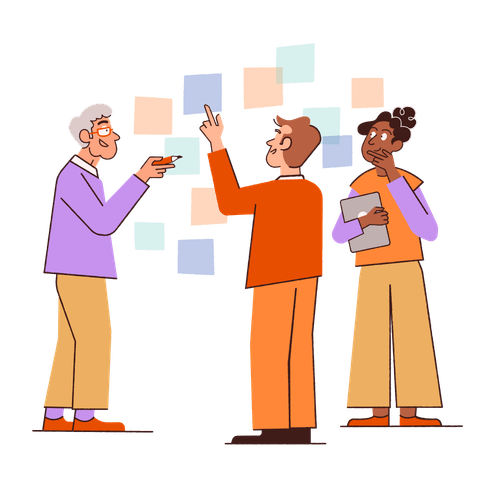
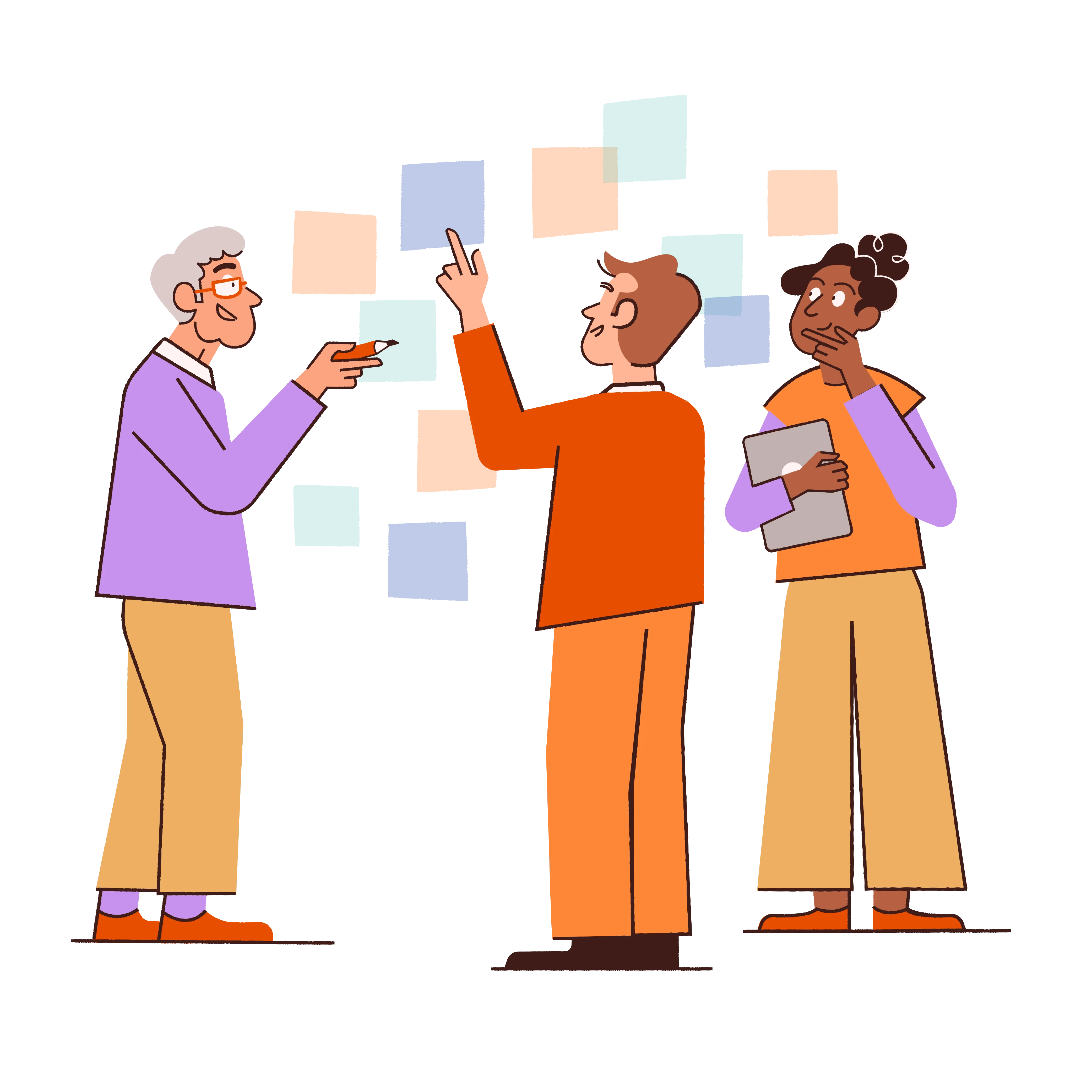
Three people discussing colorful sticky notes on a transparent board in a teamwork session.
Outcomes

What you'll leave with.

Illustration of two people with orange backpacks viewed from behind, looking sideways and smiling.
BRIEF Facilitation notes

How to run it.

When to use it

Use it when

Not the right tool when

Use it with your team

This tool works best in a well-facilitated room.

Using this tool with a skilled facilitator means that discussions are focused, time is used efficiently, and the group moves toward consensus, making the session productive and impactful.

Downloads

Take it away and use it.

The canvas is free to download and use however suits you. If you want the full facilitator's guide to run the exercise properly, that sits inside the kit.

Related tools

Facilitator's guide

The canvas

Part of the